

Featured Case Study
Digital Twins for Airports
-
Partner

- Sector Aviation & Airport Management

Airports
ROI & Business Impact
Improvement in overall asset utilization
15-25%
Reduction in total energy consumption
20-30%
Reduction in substation maintenance costs
20-40%
Reduction in unplanned downtime
5-10%
Investment & Costs
- Pilot$50,000 – $75,000
- Full SubstationTBD
- Multi-SubstationTBD
- Utility-wideTBD
Investment Recovery
- Typical payback period: 12-18 months
- Ongoing operational savings compound annually
- 5-year NPV: 200-400% of initial investment
Challenges
Operational Complexity in Airport Environments
Fragmented Operational Data
Critical systems operate in silos, limiting real-time visibility.
Inefficient Passenger Flow
Unpredictable queues and bottlenecks reduce throughput.
Unplanned Equipment Downtime
Baggage, HVAC, and airside systems lack predictive monitoring.
Limited Situational Awareness
Lack of unified dashboards slows response and coordination.
- Average airport loses 2-5 hours per month to unplanned downtime
- Unoptimized passenger flow costs 6 -10% loss of revenue annually

Visibility Across Airside & Terminal Operations
Solution
A Unified Digital Twin for Intelligent Airport Operations
Combining 3D, IoT, and AI into a unified no-code platform that delivers a real-time operational twin for airport efficiency and resilience.
- SOP/Manuals
- AI/LLM Data
- Mechanical Data
- Geometric Data
- Historical Data
- IoT/MES/RPA
- Assets/ERP
- SOP/Manuals
- AI/LLM Data
- Mechanical Data
- Geometric Data
- Historical Data
- IoT/MES/RPA
- Assets/ERP
Real-Time Data Fusion
Integrates IoT, SCADA, ERP, and sensor feeds into a live operational model.
Airside & Terminal Mapping
Creates a high-fidelity 3D representation of aircraft stands, gates, and passenger zones.
Predictive Maintenance AI
Forecasts failures across baggage, HVAC, and critical airside systems.
Passenger Flow Intelligence
Identifies congestion patterns and optimizes queue and terminal movement.
Unified Command Dashboard
Provides a single interface for monitoring alerts, events, and operational KPIs.
Scenario & Risk Simulation
Test operational strategies for delays, disruptions, and capacity planning.
Our USP
Mass Accessible Process Twins
| Traditional Solutions | Our Breakthrough | |
|---|---|---|
|
Accessibility barrier
|
Siloed Solutions
|
Browser Application
|
|
Creation complexity
|
Requires 3D Designers/ Developers
|
No-code platform
|
|
Hardware requirements
|
GPU Servers ($250k-$750k)
|
No GPUs or heavy servers needed
|
|
Deployment time
|
6 to 9 Months
|
6 to 9 Weeks
|
|
Device limitations
|
PC/Desktop or specific hardware
|
Access on any device
|
|
Technical dependencies
|
Constant IT support required
|
Self-service platform
|
|
Annual pricing per twin
|
$100k-$1M
|
$25k-$80k
|
Features (1/3)
Benefits of Digital Twins for Airports

Asset Health Monitoring
- Equipment performance dashboards
- Fault trend and historical analysis
-
Description
Real-time monitoring of critical airport assets, integrating sensor data, SCADA inputs, and operational telemetry.
-
Business Impact
Reduces unexpected failures and improves service reliability across terminal and airside systems.
-
Key Elements
Live condition tracking, anomaly detection, and automated alert workflows.
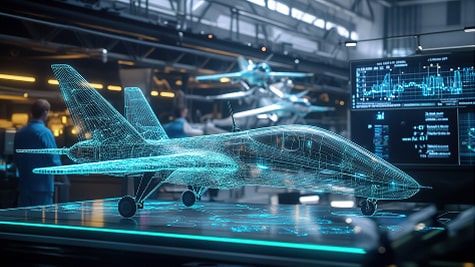
Predictive Maintenance of Equipment
- Failure probability insights
- Maintenance schedule optimization
-
Description
AI-driven models predict failures in baggage systems, HVAC, and ground-support equipment before they occur.
-
Business Impact
Minimizes downtime, lowers maintenance costs, and enhances overall operational resilience.
-
Key Elements
Machine-learning forecasts, degradation patterns, and risk scoring.

Energy Consumption Optimization
- Real-time energy heatmaps
- Scenario-based efficiency recommendations
-
Description
Digital twin continuously analyzes energy usage across terminals, gates, lighting, and HVAC systems.
-
Business Impact
Reduces energy expenditure while supporting sustainability and ESG initiatives.
-
Key Elements
Load analytics, peak-demand forecasting, and intelligent automation controls.
Features (2/3)
Benefits of Digital Twins for Airports

Passenger Flow Optimization
- Queue monitoring and predictions
- Gate and checkpoint optimization
-
Description
Analyzes movement patterns across terminals to identify congestion, queue build-up, and passenger distribution.
-
Business Impact
Improves throughput, reduces wait times, and enhances overall passenger experience.
-
Key Elements
Heatmaps, flow simulations, and real-time crowd density analytics.

Baggage Handling and Tracking
- Real-time baggage flow visibility
- Delay and bottleneck alerts
-
Description
Digitalizes baggage movement with real-time belt, chute, and container tracking across the airport.
-
Business Impact
Reduces lost baggage incidents and increases efficiency in handling and transfers.
-
Key Elements
IoT-enabled tracking, belt performance analytics, and routing insights.

Resource Allocation Optimization
- Staff and equipment demand forecasting
- Intelligent gate and stand allocation
-
Description
Optimizes deployment of staff, vehicles, gates, and equipment based on live operational demand.
-
Business Impact
Improves utilization, reduces operational costs, and maximizes airport capacity.
-
Key Elements
Predictive workload models and dynamic resource scheduling.
Features (3/3)
Benefits of Digital Twins for Airports

Runway and Taxiway Management
- Runway/taxiway congestion detection
- Aircraft routing and scheduling insights
-
Description
Provides real-time visibility of aircraft movements, runway occupancy, and ground operations across airside zones.
-
Business Impact
Enhances safety, reduces delays, and improves utilization of critical airside infrastructure.
-
Key Elements
Movement heatmaps, operational alerts, and traffic sequencing models.

Real-Time Dashboard for Stakeholders
- Multi-layer operational views
- Stakeholder-specific dashboards
-
Description
Unifies airside, terminal, and operational telemetry into a single, role-based dashboard for decision-makers.
-
Business Impact
Improves coordination and response times across airport operations teams and partner organizations.
-
Key Elements
Custom KPIs, cross-system data fusion, and live event alerts.
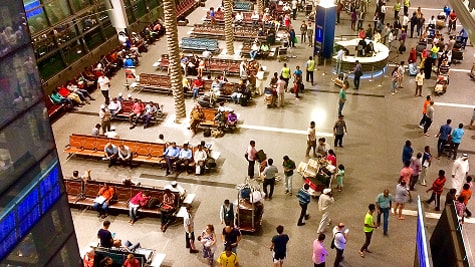
Emergency Scenario Simulation
- Evacuation and crowd-movement simulations
- Safety and contingency planning
-
Description
Simulates emergencies such as equipment failures, congestion events, weather disruptions, and evacuation flows.
-
Business Impact
Strengthens preparedness, reduces operational risk, and supports regulatory readiness.
-
Key Elements
Dynamic scenario modeling and impact forecasting.
Media Mentions
Substations

Tracxn
Top 10 Digital Twin Startups in India

Forbes
Forbes Asia 30 Under 30

Shark Tank
Featured in S02E28 – “Game Changers”

USPTO
US Patent Granted till 2035

GATES
Best Innovation Award (2024)
TechCrunch
Featured in TC NoCode/IoT Startups
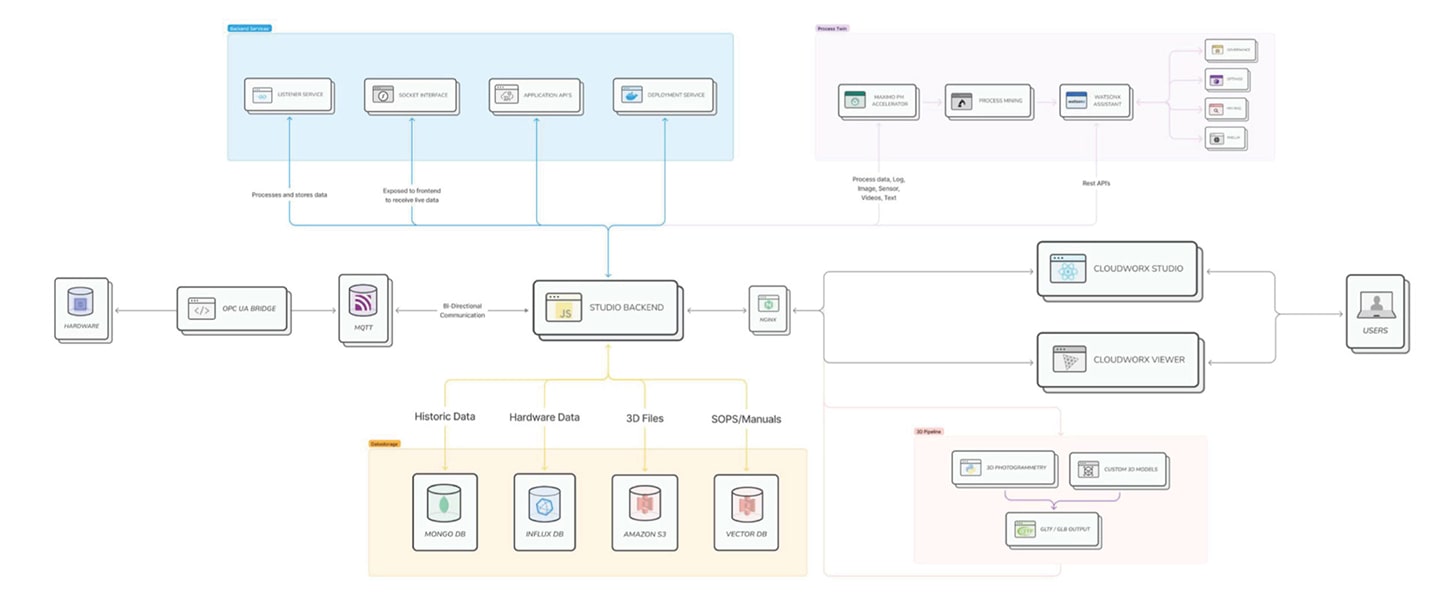
Technology Architecture
Digital Twin Platform




Explore How a Digital Twin Can Boost Your Operations